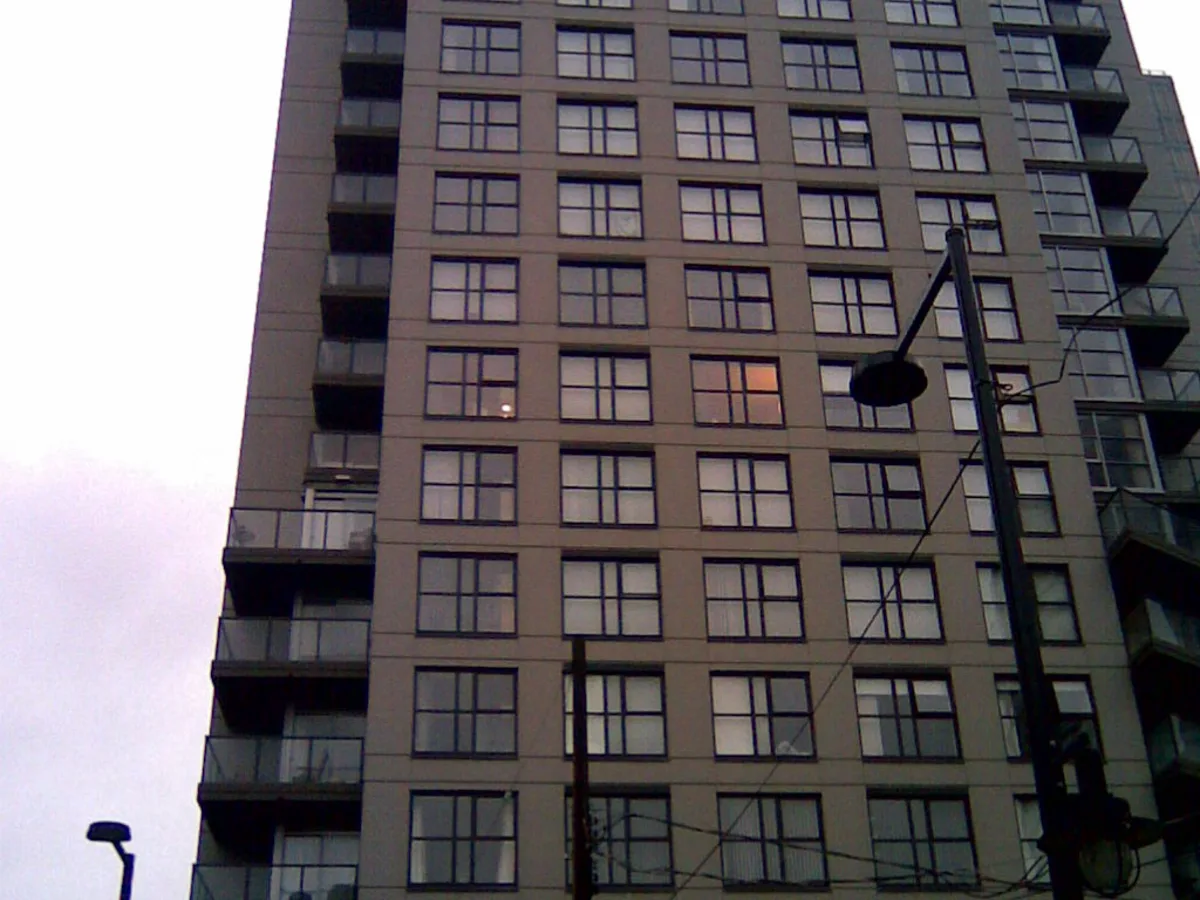
Condominium buildings
Downtown includes towers from multiple development periods, ranging from efficient earlier plans to newer amenity-rich buildings and limited collections of high-value residences.
Downtown Vancouver, British Columbia
An independent guide to condominium living, central neighbourhood character, and the property considerations that shape one of Canada’s most distinctive urban residential markets.
Central Vancouver property
Downtown Vancouver combines a concentrated business district with established residential towers, waterfront edges, parks, cultural destinations, restaurants, and daily services within a compact central peninsula.
Its real-estate market is not uniform. Coal Harbour’s waterfront towers, Yaletown’s converted warehouse context and newer high-rises, Downtown South’s varied building stock, and the central business district’s mixed urban environment each create different property considerations.
Within only a few blocks, buyers can encounter major differences in outlook, street exposure, construction era, building amenities, strata history, and access to the seawall or rapid transit. Understanding those distinctions is more useful than treating “downtown” as one interchangeable condominium category.
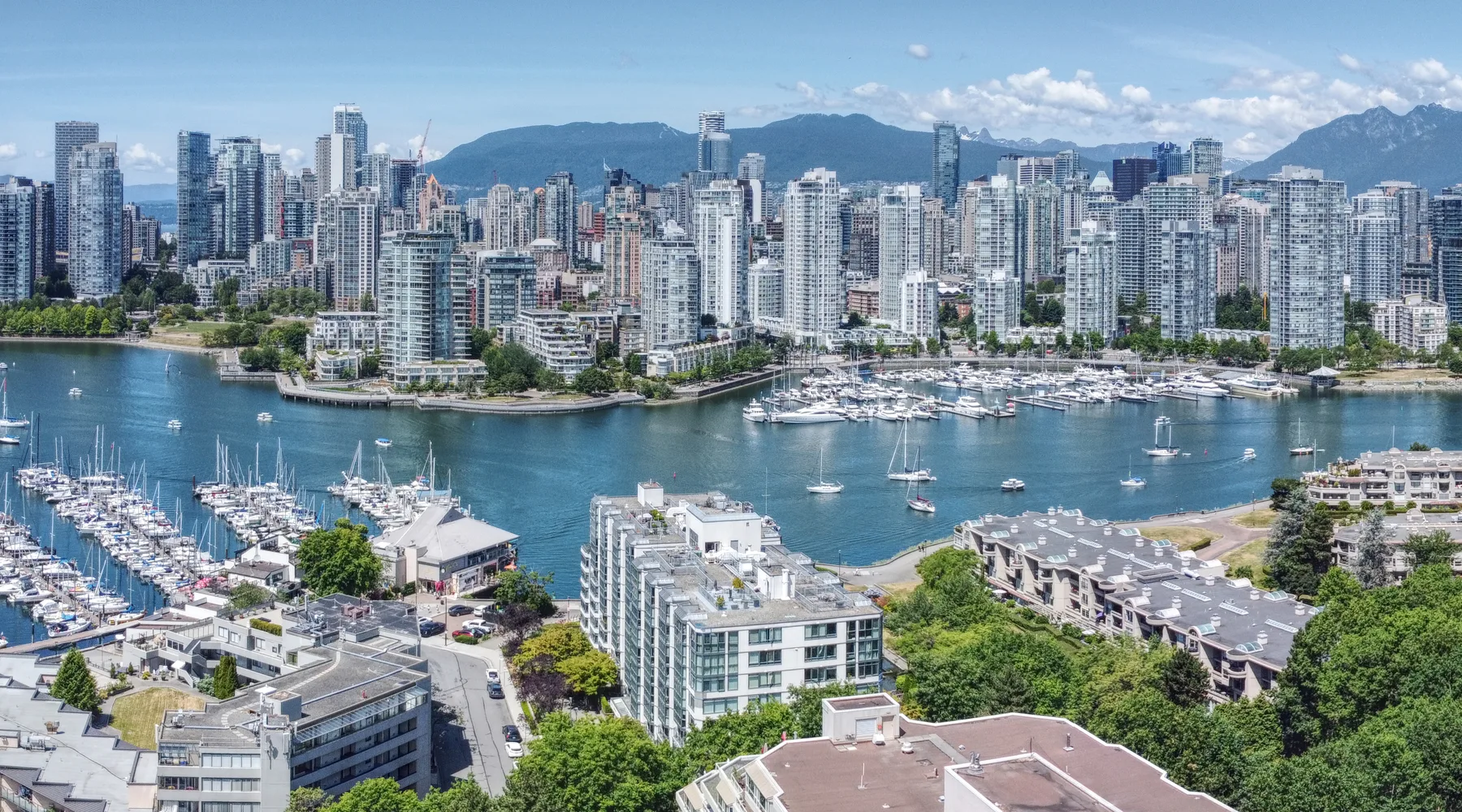
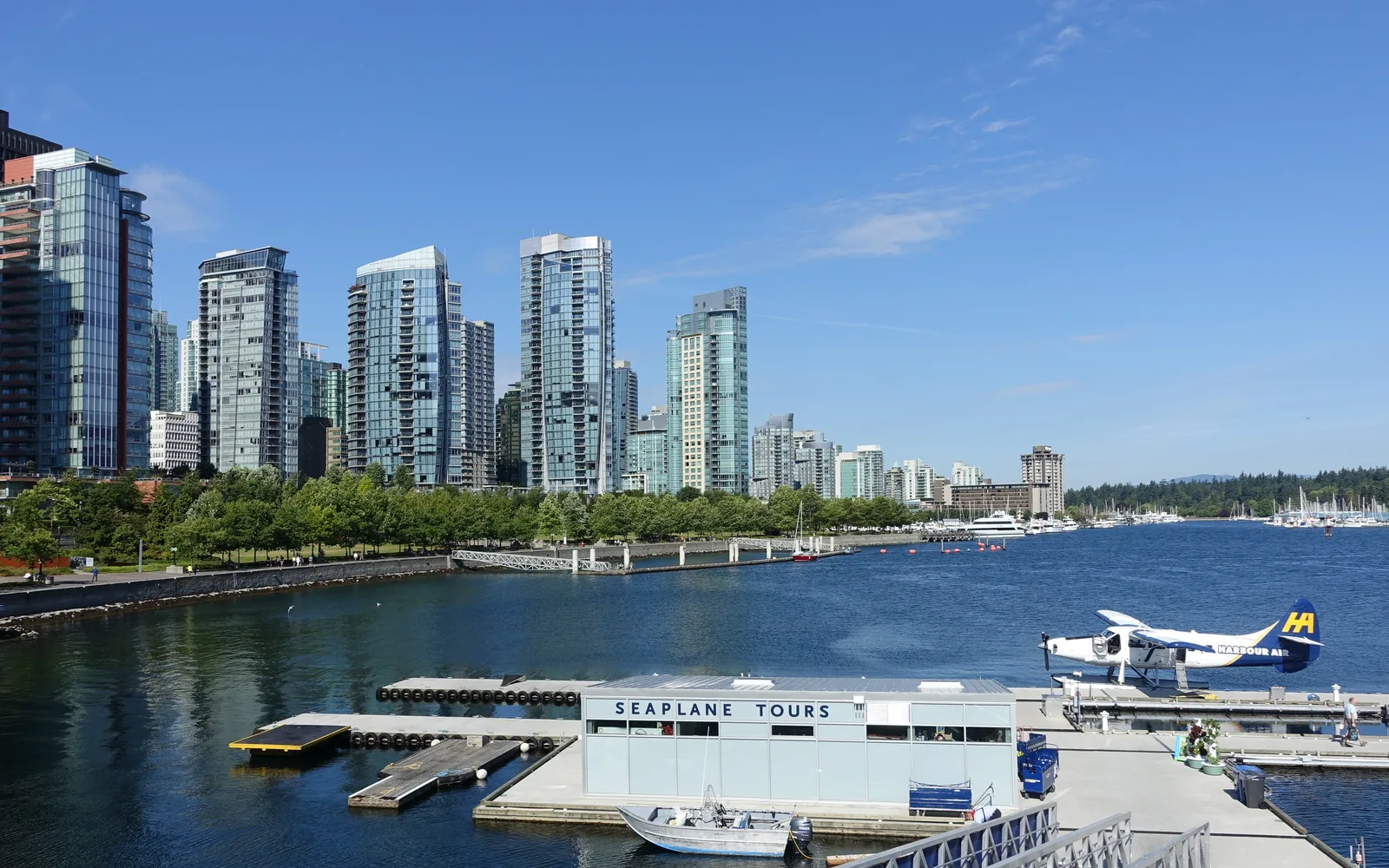
A market defined by tower-by-tower differences, waterfront geography, and highly specific micro-locations.
Residential character
Downtown residential value is shaped by more than floor area. Building quality, orientation, view protection, strata stewardship, and the immediate streetscape all influence how a home lives and how the market evaluates it.
Downtown includes towers from multiple development periods, ranging from efficient earlier plans to newer amenity-rich buildings and limited collections of high-value residences.
Harbour, inlet, False Creek, mountain, and city outlooks can materially change the experience and positioning of otherwise similar homes within the same central market.
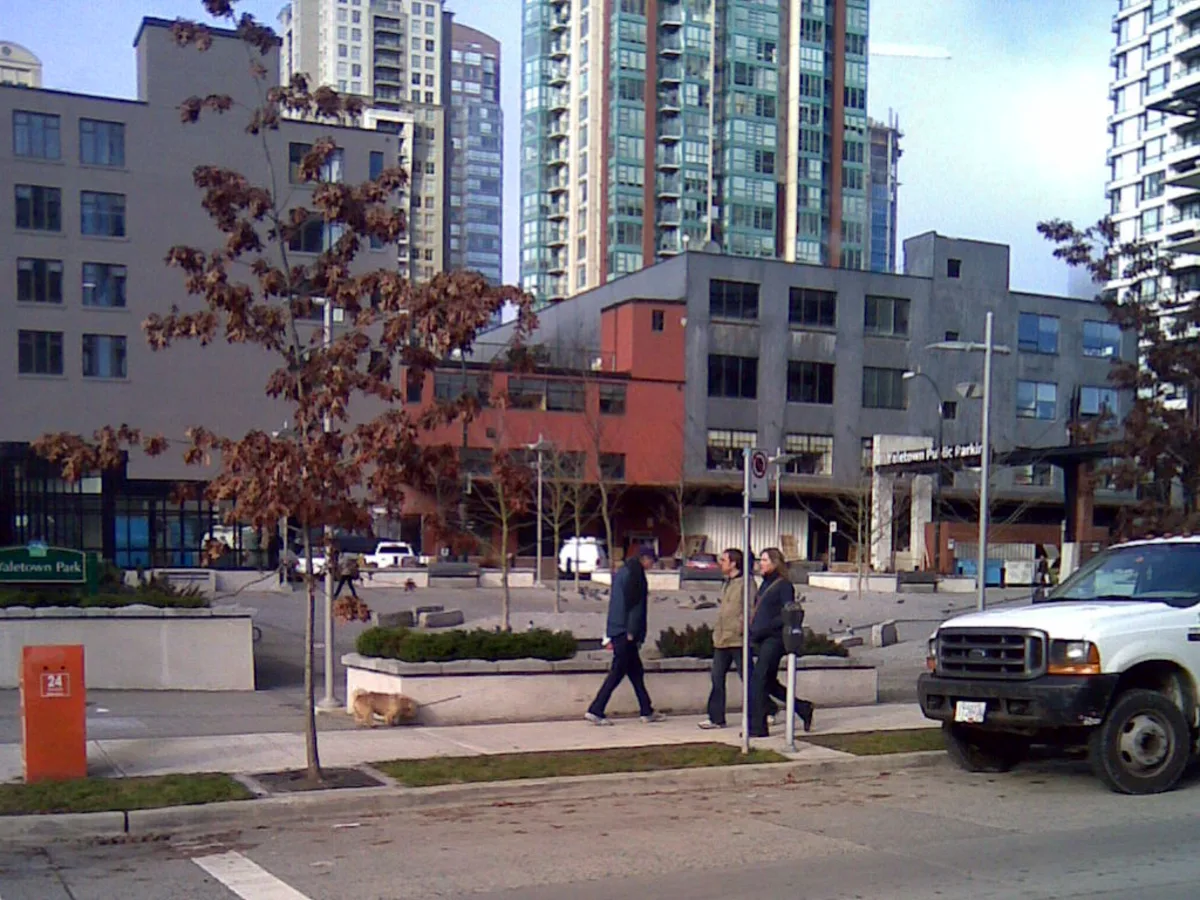
Walkability is a core part of the downtown proposition, but the quality of that access differs by block—quiet waterfront edges, active entertainment streets, parks, transit, and employment centres are not interchangeable.
Property evaluation
Traffic exposure, surrounding development, parks, water access, transit, retail, and the character of the immediate block can produce meaningful differences over very short distances.
Construction type, age, envelope history, elevators, parking, amenities, security, management, and planned capital work all contribute to a building’s market position.
Financial statements, contingency funding, insurance, bylaws, minutes, depreciation planning, and the quality of past maintenance deserve property-specific review.
Light, orientation, outlook, privacy, ceiling height, floor plan efficiency, outdoor space, renovation quality, and storage can matter as much as the published square footage.
A downtown purchase requires analysis at both the suite and building level. Comparable sales alone do not explain future capital work, strata governance, restrictions, insurance, or the durability of a particular view and location.
Effective positioning should explain why the home, building, and location are distinct. Professional preparation and accurate building context help qualified buyers understand value beyond a generic condominium description.
One position. One professional.
DowntownVancouverRealEstate.ca is available to one established Vancouver real-estate professional or team for exclusive presentation, direct enquiries, and long-term association with this exact-match Canadian domain.
Direct enquiries
Use this form for exclusive sponsorship, editorial matters, or general enquiries concerning DowntownVancouverRealEstate.ca. Property services will only be provided by an identified licensed professional and their related brokerage.